
About Bal Gangadhar Tilak
- Home
- About
Early Life
Bal Gangadhar Tilak was born in 1856 in Ratnagiri, Maharashtra, showing early brilliance, strong moral values, and deep commitment to education and national pride
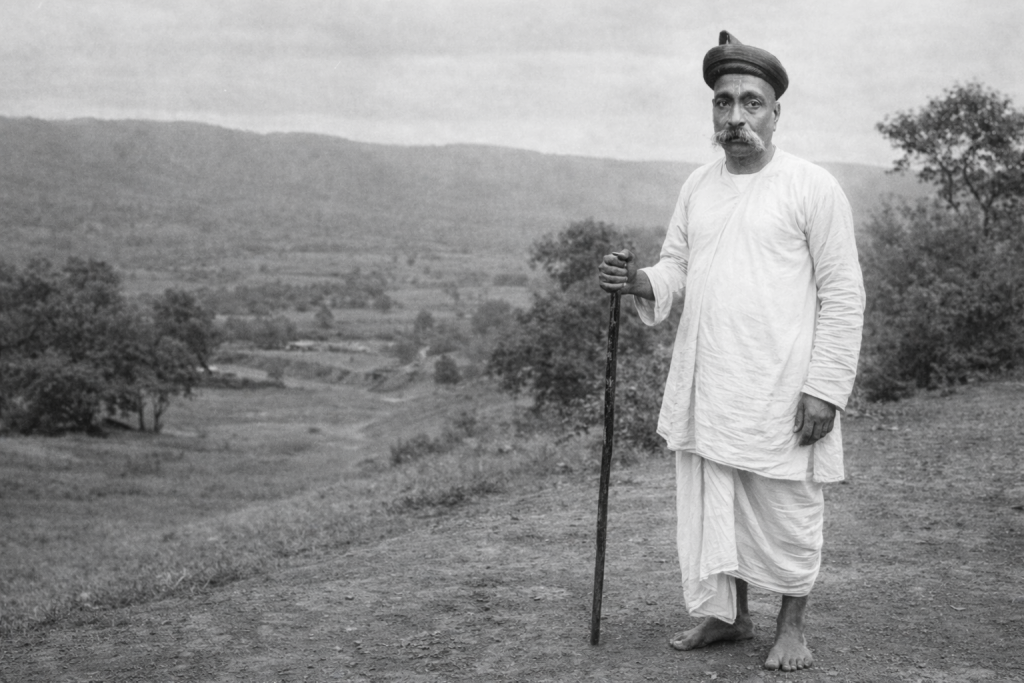
Bal Gangadhar Tilak was born on 23 July 1856 in Ratnagiri, Maharashtra, into a respected Chitpavan Brahmin family. His father, Gangadhar Ramchandra Tilak, was a Sanskrit scholar and schoolteacher, while his mother Parvatibai nurtured strong cultural and moral values. Tilak’s early upbringing in an educated and disciplined household shaped his intellectual development and patriotic character.
- Born on 23 July 1856 in Ratnagiri, Maharashtra, into a scholarly family.
- Mother Parvatibai instilled discipline, cultural values, and devotion to learning.
- Father Gangadhar Ramchandra Tilak was a respected Sanskrit teacher and educator.
- Early family environment inspired Tilak’s intellectual growth and patriotic spirit.
Education

Early Schooling
New English School, Pune
Tilak completed his early education at New English School in Pune, where he excelled in mathematics and Sanskrit. His curiosity, discipline, and leadership qualities were evident from a young age, shaping his academic path and ideological foundation.

Higher Studies
Deccan College, Pune
Tilak joined Deccan College in 1873 and earned a Bachelor of Arts degree in Mathematics in 1876. His sharp intellect and commitment to social change motivated him to pursue education reform and uplift Indian society through knowledge and activism.

Law Education
Govt Law College, Mumbai
Tilak later studied law at Government Law College (Bombay University) and received an LLB degree in 1879. Legal training strengthened his ability to challenge unjust British policies and advocate for civil rights through reasoning and constitutional methods.
Teaching Career & Founding of Schools

Beginning as an Educator
Teacher at New English School
Tilak began his professional career as a teacher at New English School, Pune. He believed education was the strongest weapon to awaken national consciousness and dedicated himself to shaping young minds with discipline, knowledge, and patriotic values.

Co-Founder, 1885
Deccan Education Society
Tilak co-founded the Deccan Education Society with Gopal Krishna Gokhale and others to provide affordable, quality education rooted in Indian culture. The society became a symbol of intellectual awakening and self-reliance among Indian youth.

Founder & Visionary Leader
Fergusson College
Tilak played a key role in establishing Fergusson College, one of India’s premier institutions. His vision was to nurture students who would become strong leaders, thinkers, and contributors to India’s freedom and progress.
Influence of Bhagavad Gita
Tilak’s interpretation of the Bhagavad Gita inspired active duty, courage, and selfless action, shaping his philosophy of nationalism and public service.
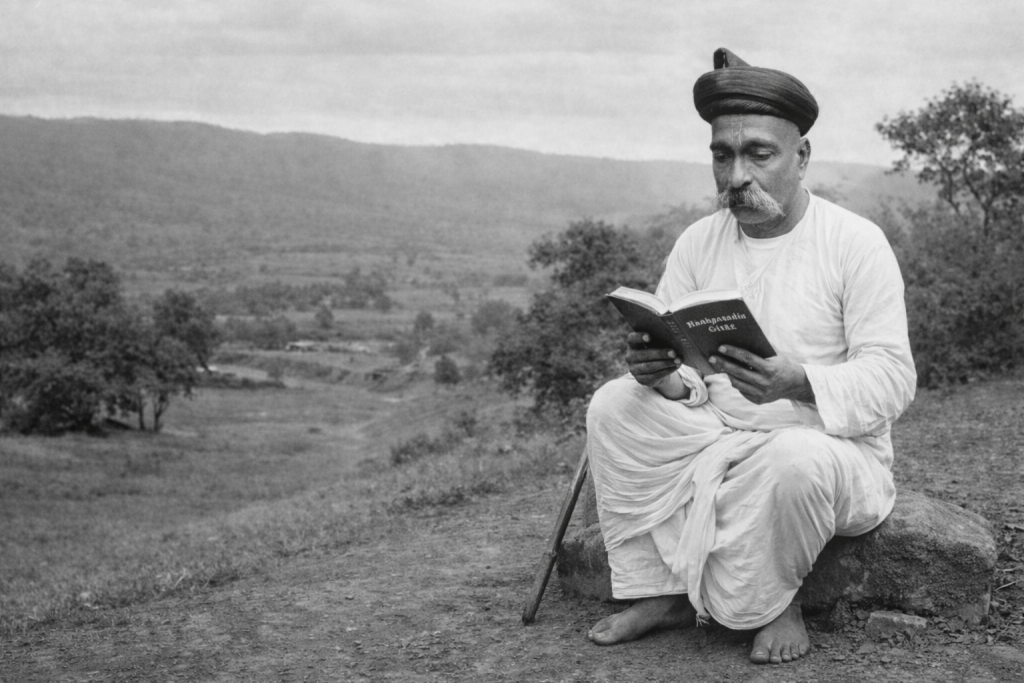
The Bhagavad Gita had a profound influence on Bal Gangadhar Tilak’s spiritual and political ideology. Unlike passive or renunciation-based approaches, Tilak interpreted the Gita as a call to Karma Yoga—selfless action dedicated to truth and duty. Through his famous commentary, “Gita Rahasya”, written during imprisonment in Mandalay, Tilak emphasized that righteous action, supported by moral courage, is essential for national liberation. His interpretation inspired Indians to rise above fear, participate actively in the freedom struggle, and work collectively for the welfare of the nation.
Bal Gangadhar Tilak considered the Bhagavad Gita a guiding force in both personal discipline and national awakening. He rejected the interpretation of the Gita as a book promoting non-action or renunciation, instead presenting it as a powerful message urging individuals to fulfill their responsibilities with courage and unwavering determination. In “Gita Rahasya”, he explained that true spirituality lies in action for the greater good, not withdrawal from society. Tilak’s interpretation infused the freedom movement with moral strength, inspiring Indians to rise, unite, and actively fight for Swaraj with faith and duty at the core.
The Public Intellectual
A pioneering thinker and scholar, Tilak shaped India’s freedom ideology through powerful writings, bold political vision, and transformative philosophical interpretations.
Pune, 1880
Formation of New English School
Bal Gangadhar Tilak, along with Vishnushastri Chiplunkar and Gopal Ganesh Agarkar, founded the New English School in Pune to offer quality education independent from British control. The school encouraged Indian cultural values, discipline, and intellectual freedom, marking the beginning of Tilak’s movement to reform education for national progress.
Established 1885
Deccan Education Society
Tilak co-founded the Deccan Education Society with visionary educators including Gokhale and Agarkar. The organization aimed to empower Indian students through modern, ethical, and nationalist education. It provided an alternative to colonial institutions and became a major force behind awakening patriotic consciousness among young Indians.
Founded 1885 – Pune
Founding of Fergusson College
Under the leadership of Tilak and the Deccan Education Society, Fergusson College was established to offer higher education rooted in Indian values and academic excellence. The college nurtured future national leaders and intellectuals, playing a crucial role in shaping the political and social direction of India.
National Education Movement
Revolutionizing Indian Learning
Tilak initiated the National Education Movement to free Indian learning from British influence and build a self-reliant, culturally strong youth force. He promoted education that encouraged scientific thinking, patriotism, and social responsibility, inspiring students to participate actively in the freedom struggle.
Personal Life and Character
Tilak lived with deep integrity, discipline, and simplicity, balancing family responsibilities with unwavering courage, moral strength, and commitment to national service.
Discipline
Discipline was a defining quality of Bal Gangadhar Tilak’s personality and leadership. He maintained strict control over his time, habits, and responsibilities, believing that self-discipline was essential for personal growth and national progress. Tilak followed a rigorous daily routine centered around study, writing, teaching, and public service. Even during imprisonment in Mandalay, he continued writing Gita Rahasya, demonstrating unwavering mental strength and determination. His disciplined lifestyle inspired countless Indians to pursue duty with dedication and moral courage.
Religious Philosophy
Bal Gangadhar Tilak believed that religion was a powerful force for social unity, national awakening, and moral strength. He emphasized that true spirituality lies not in withdrawal from the world, but in selfless action and duty. Tilak interpreted Hindu scriptures, especially the Bhagavad Gita, as guides for courage, righteousness, and service to society. He promoted the idea that religious festivals like Ganesh Utsav should unite people, inspire patriotism, and strengthen India’s struggle for freedom.
Fearless Journalism
Bal Gangadhar Tilak was a pioneering journalist who used the power of the press as a weapon against British oppression. Through his newspapers Kesari (Marathi) and The Mahratta (English), he boldly exposed injustice, awakened political awareness, and inspired Indians to fight for Swaraj. His fearless writing challenged colonial policies and inflamed patriotic spirit across the nation. Despite multiple arrests and censorship pressures, Tilak never compromised his voice or principles, proving that courageous journalism can transform society and lead national revolutions.