
Trials, Imprisonment & Speeches
- Home
- Imprisonment
Sedition Trial (1897)
Tilak’s 1897 Sedition Trial became a turning point, revealing British injustice and inspiring nationwide resistance against colonial suppression of free speech.
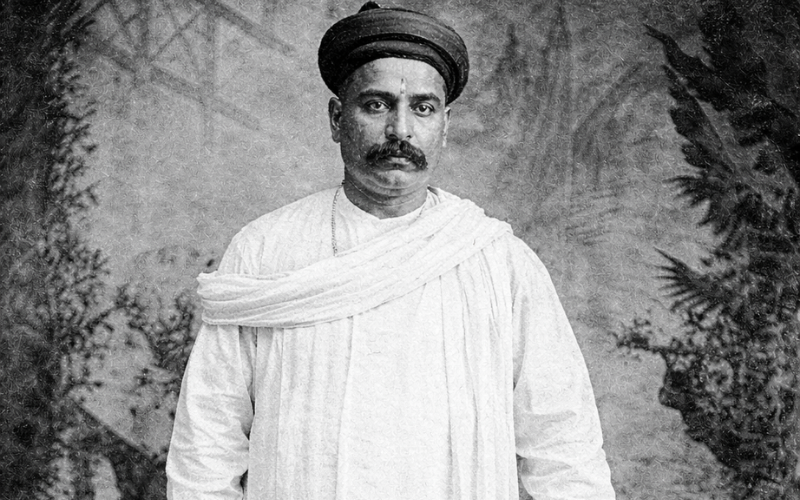
The Sedition Trial of 1897 marked one of the most defining moments in Bal Gangadhar Tilak’s political journey. After the plague epidemic in Pune, Tilak published strong articles in Kesari criticizing British negligence and praising Shivaji’s spirit of resistance. The British government accused him of inciting violence and charged him under Section 124A for “spreading disaffection.” The trial was conducted under heavy security and intense public attention.
Tilak defended himself with remarkable courage, declaring that expressing truth for the nation’s welfare could never be a crime. Although sentenced to 18 months in prison, he emerged as a national hero. The trial awakened political consciousness across India and exposed the colonial assault on civil liberties. It strengthened public unity and inspired future freedom campaigns based on fearless expression and constitutional rights.
Fearless Voice Against Colonial Injustice
Sedition Trial (1908)
Tilak’s 1908 Sedition Trial for writings and activism intensified his resolve, inspiring nationwide protests and shaping India’s revolutionary movement.
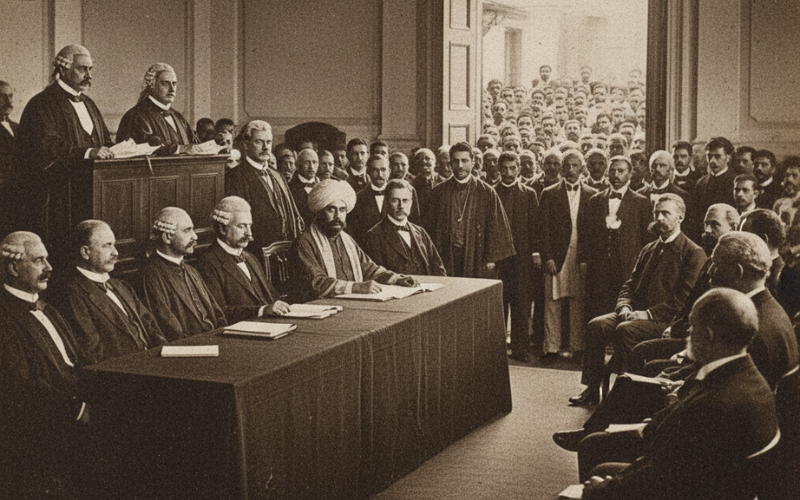
In 1908, Bal Gangadhar Tilak was tried again for sedition due to his fiery articles in Kesari and speeches advocating Swaraj. The British government accused him of inciting rebellion and attempting to disrupt law and order. The trial highlighted Tilak’s unwavering commitment to India’s independence and his fearless confrontation with colonial authority.
Despite harsh interrogation and political pressure, Tilak boldly defended his principles, asserting that freedom of expression and the pursuit of national self-rule were not crimes. The court sentenced him to six years’ imprisonment in Mandalay Jail, Burma, a period that profoundly shaped his spiritual and political thought. The trial galvanized public support, turning him into a symbol of resistance and inspiring subsequent mass movements across India.
Fearless Fight for Freedom
Court Arguments & Famous Statements
During his sedition trials, Bal Gangadhar Tilak became famous for his eloquent and fearless courtroom arguments. He defended his writings and speeches by asserting that raising awareness about injustice and motivating Indians to strive for Swaraj was not a crime. Tilak argued that citizens have a natural right to demand freedom and express dissent against oppressive governance.
One of his most famous statements, “Swaraj is my birthright, and I shall have it,” became a rallying cry for the freedom movement. Through reasoned arguments and moral courage, Tilak challenged the colonial legal system while remaining dignified and composed. His words inspired nationalists, instilled pride among Indians, and strengthened the philosophical and political foundation of India’s struggle for independence.
“Swaraj is my birthright, and I shall have it.”
“Education is the key to national awakening.”
“Fearlessness is the first step towards freedom.”
“A nation’s strength lies in its youth.”
“True religion is action for the welfare of society.”
Jail Writings
Tilak’s jail writings, composed during imprisonment, reflect deep philosophy, political vision, and inspiration for India’s freedom struggle.
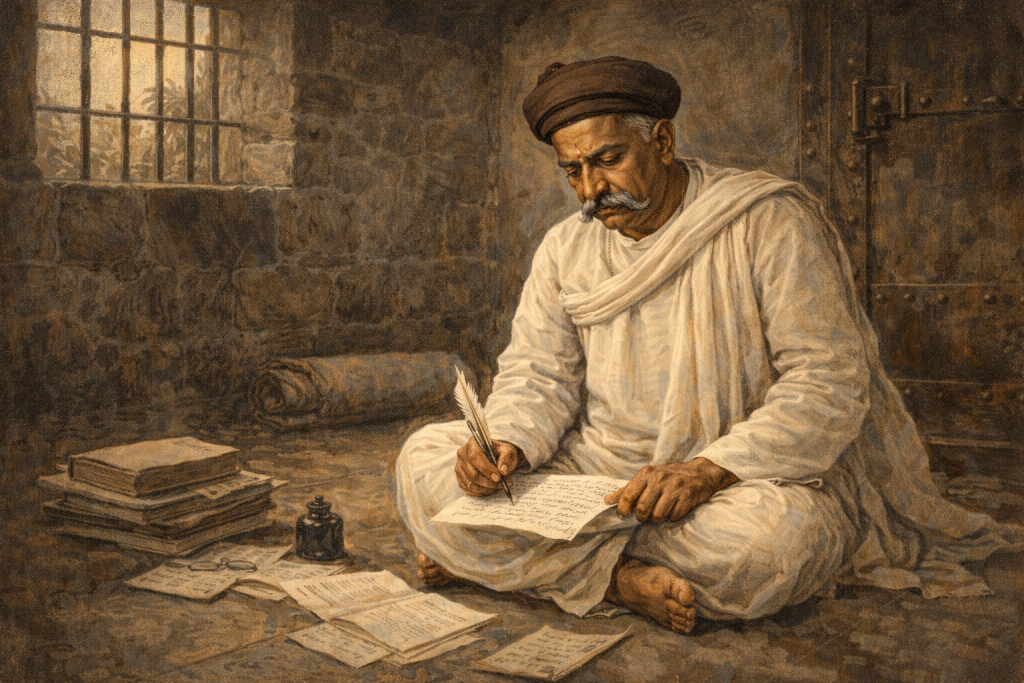
During his imprisonment in Mandalay Jail (1908–1914), Bal Gangadhar Tilak produced some of his most profound writings, blending philosophy, nationalism, and social reform. His solitude became a period of intense intellectual activity. Most notably, he composed “Gita Rahasya”, a commentary on the Bhagavad Gita emphasizing Karma Yoga—selfless action for the welfare of society and the nation.
Global Impact on Anti-Colonial Movements
Tilak’s ideas inspired global anti-colonial struggles, influencing leaders and movements beyond India through his philosophy of self-rule, courage, and mass awakening.
Bal Gangadhar Tilak’s influence transcended India and became a guiding force for anti-colonial struggles across the world. His powerful message of Swaraj (Self-Rule) inspired nations suffering under imperial domination to believe that independence was both achievable and morally necessary. Tilak argued that no nation could progress without political freedom, economic self-reliance, and cultural confidence—ideas that resonated across Asia, Africa, and Europe.
Tilak’s spirited resistance and fearless leadership were widely reported in international newspapers, turning him into a global symbol of defiance. Anti-colonial activists in Burma, Sri Lanka, Ireland, South Africa, and Egypt followed his campaigns closely, seeing him as proof that a disciplined national movement could challenge even the strongest empire. Leaders like Aurobindo, Lala Lajpat Rai, Subramania Bharathi, and later Gandhi adapted his strategies, while Irish nationalists compared him with their own revolutionary leaders fighting the British.
His imprisonment in Mandalay drew worldwide criticism of colonial injustice, strengthening international solidarity for Indian independence. Scholars abroad admired his reinterpretation of the Bhagavad Gita as a call to action rather than renunciation, viewing it as a philosophical foundation for revolutionary struggle. His writings circulated beyond India, inspiring debates on freedom, moral authority, and national dignity.
Tilak’s global legacy endures as a reminder that the fight for freedom anywhere strengthens the struggle for freedom everywhere. His vision helped shape the worldwide movement that ultimately dismantled colonial rule across continents.