
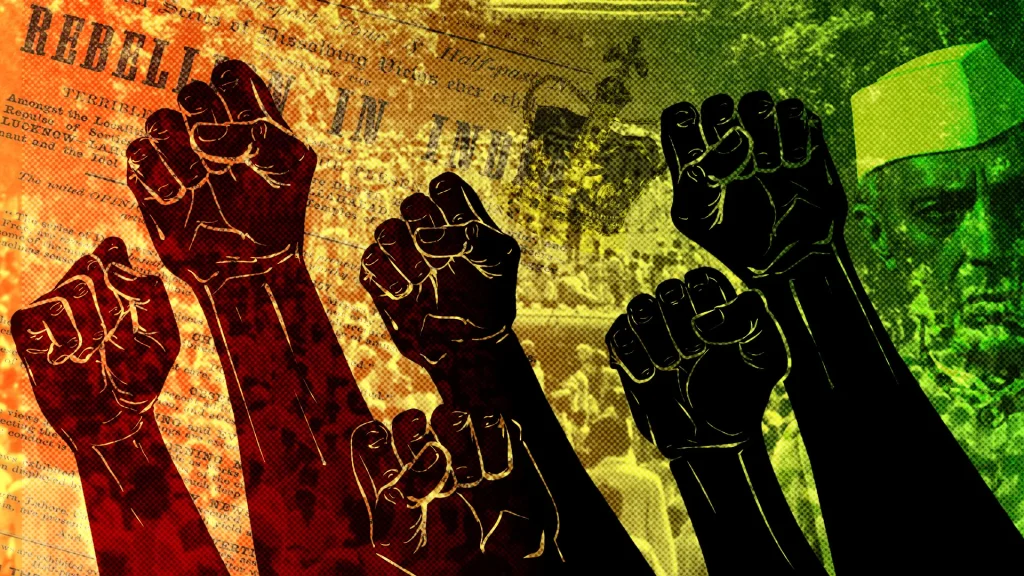
1. Critique of British Imperial Policy in Global Context
Tilak understood that British rule in India was part of a larger imperial design. Through his writings in Kesari and The Mahratta, he:
- Compared British policies in India with their actions in Africa, Ireland, and other colonies
- Exposed the economic motives behind imperial expansion
- Showed how global colonialism relied on exploitation, division, and cultural suppression
He consistently argued that colonialism was not a civilizing mission, but a mechanism of global control and resource extraction.
2. Analysis of World Events and Their Impact on India
Tilak closely observed international developments such as:
- World War I
- The rise of nationalist movements across Asia and Europe
- Shifts in global alliances
- The decline of imperial powers
He interpreted these events as opportunities for India to push its demand for freedom. Tilak noted that Britain’s global conflicts weakened its political and moral authority, thereby creating space for Indian nationalism to advance.
3. Support for Global Anti-Colonial Movements
Tilak’s political philosophy resonated with and supported global liberation struggles. He:
- Expressed solidarity with Ireland’s quest for home rule
- Admired Japan’s rapid modernization and assertion of national strength
- Encouraged Indians to study the independence movements of Italy, America, and Turkey
By highlighting parallels across independence struggles, Tilak positioned India within a global wave of anti-colonial consciousness.
4. Vision of India as a Responsible Global Power
Tilak believed that India’s fight for freedom was not only for its own benefit but also for the uplift of oppressed nations worldwide. He envisioned:
- India participating in global diplomacy
- An India that upheld justice, peace, and equality
- A free India contributing to the balance of world powers
His forward-looking view placed India on the global stage long before independence was achieved.
5. Economic Critique: India and the World Economy
Tilak sharply criticized the way colonial economies were structured to benefit Britain at the expense of its colonies. His global economic critique focused on:
- Drain of wealth from India
- Unfair taxation and resource extraction
- Industrial policies designed to weaken Indian production
- Unequal trade that enriched imperial powers
His analysis helped Indians understand that their economic struggle was part of a larger global pattern of colonial exploitation.