Architect of Mass Nationalism
- Home
- Nationalism
The Ganesh Utsav Movement
Tilak transformed Ganesh Utsav into a powerful public movement that united communities, awakened nationalism, and strengthened India’s struggle for freedom.
Cultural Strategy for Political Awakening
Bal Gangadhar Tilak revived Ganesh Utsav as a public celebration to mobilize people and bypass British bans on gatherings. Using culture as a tool of resistance, he turned devotional gatherings into platforms for speeches, patriotic songs, and discussions on national issues. This creative strategy inspired unity across caste, religion, and region, sparking political awareness among ordinary citizens and fueling the freedom movement.
Community Mobilization Model
Tilak’s Ganesh Utsav brought people together in large community groups, encouraging participation from students, workers, and local organizations. Public processions, cultural activities, and intellectual dialogues during the festival strengthened social bonding and collective identity. This model demonstrated the power of organized community action and became a training ground for future political mobilization throughout India’s independence struggle.
Modern Ganesh Utsav Influence
Today’s Ganesh Utsav carries the spirit of Tilak’s nationalistic vision. Beyond religious devotion, the festival continues to promote cultural pride, social responsibility, and community unity. Large processions, artistic creativity, public service activities, and youth involvement reflect Tilak’s belief that festivals can build a strong, educated, and socially conscious society rooted in shared heritage.
Shivaji Jayanti Movement
Tilak revived Shivaji Jayanti to inspire pride, unity, and nationalism, portraying Chhatrapati Shivaji as a symbol of bravery and resistance against oppression.
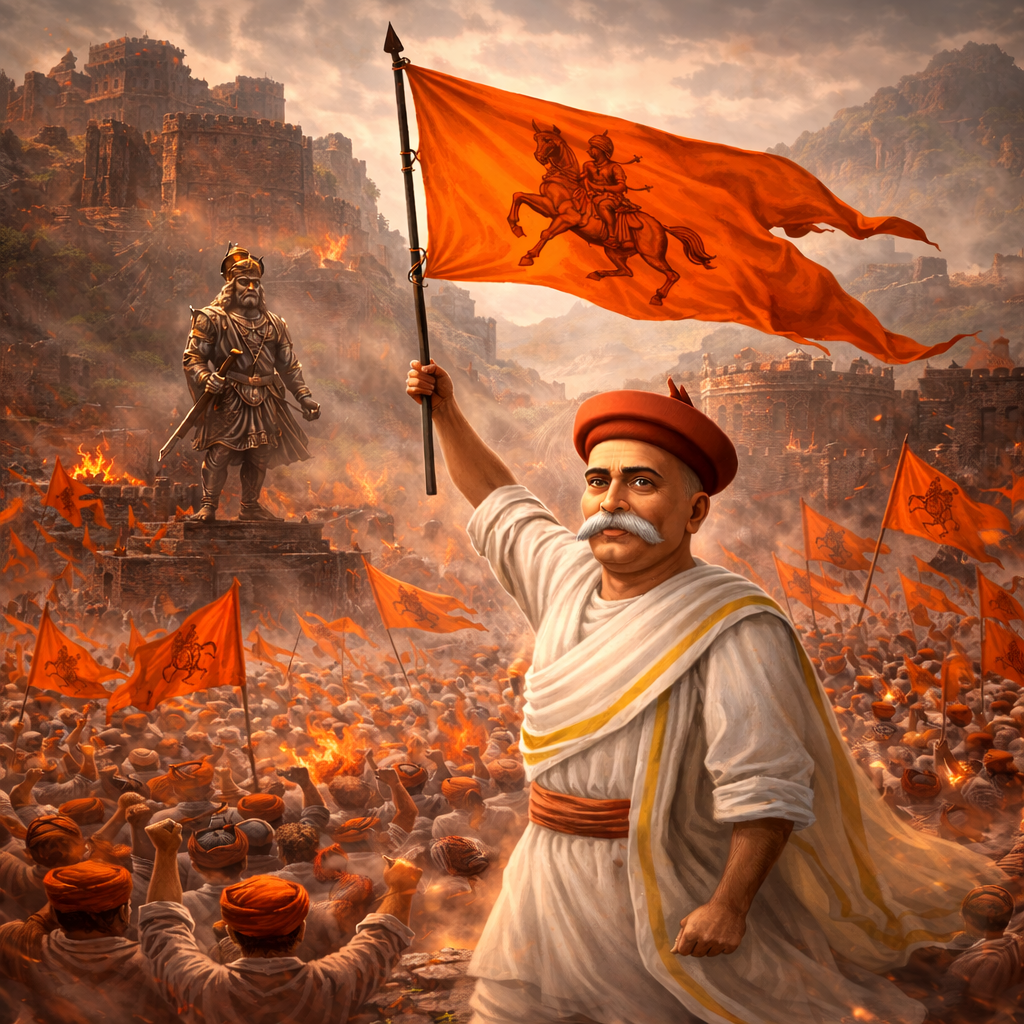
Revival of Historical Pride
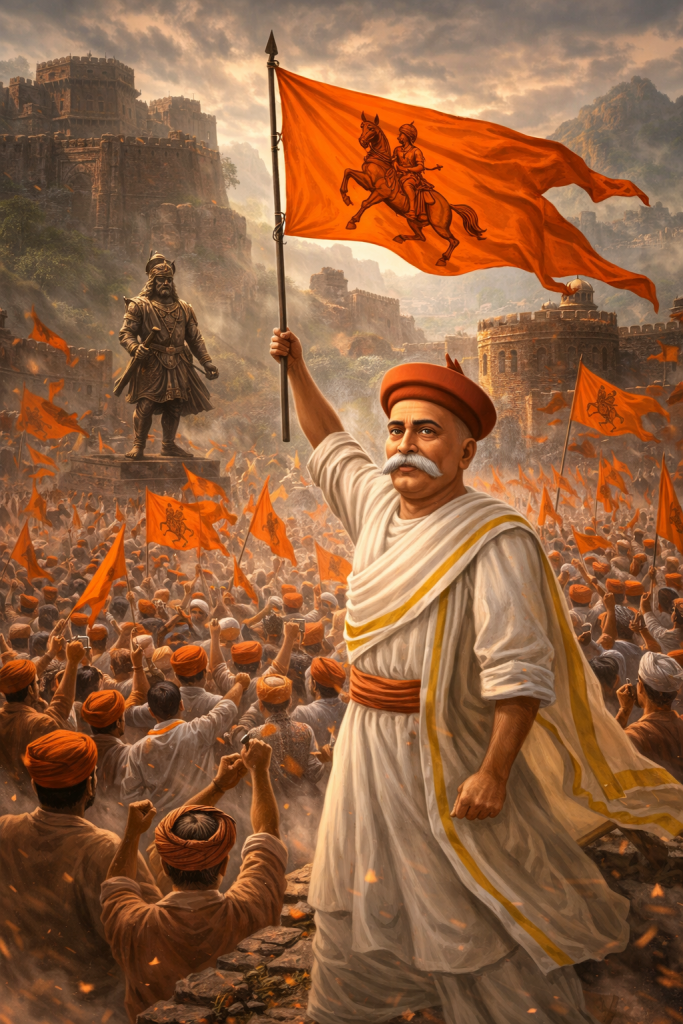
Symbol of Courage & Resistance
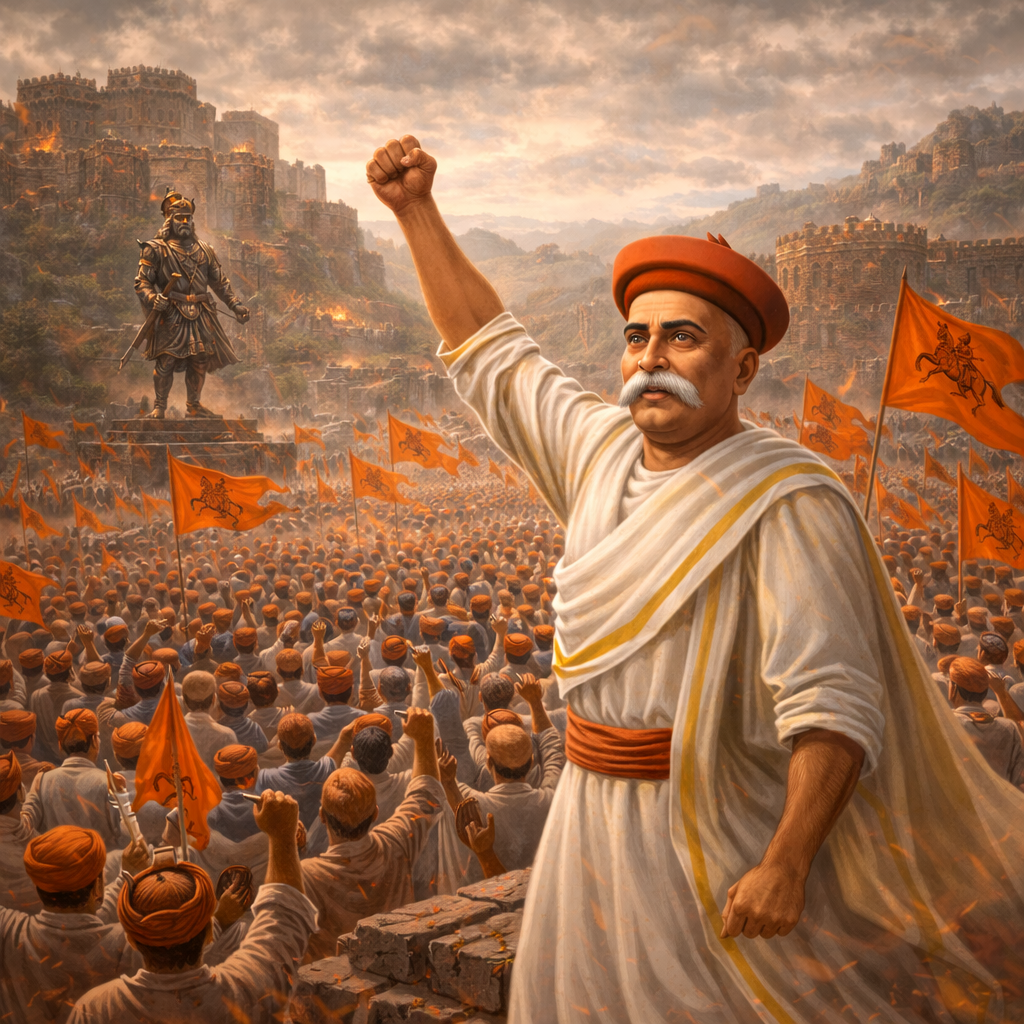
Public Gatherings
Swadeshi Movement & Boycott Strategy
Tilak championed the Swadeshi Movement and boycott strategy, urging Indians to reject foreign goods and build economic self-reliance for national freedom.
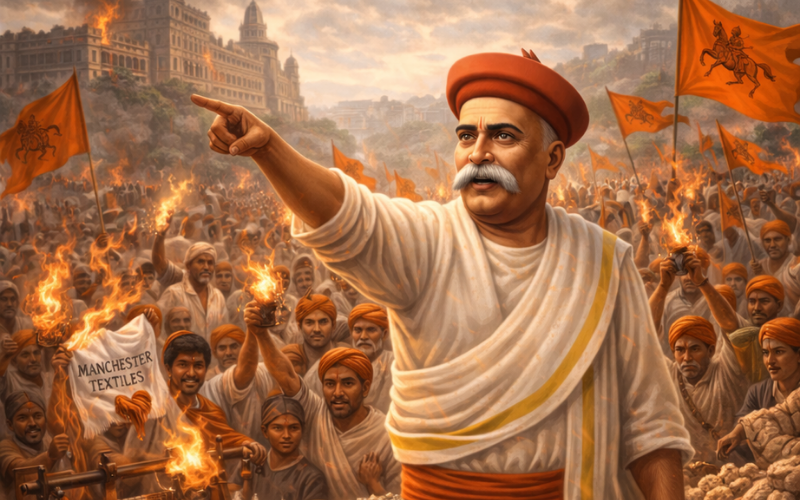
Bal Gangadhar Tilak was one of the earliest and strongest advocates of the Swadeshi Movement, promoting the use of indigenous goods to strengthen India’s economic independence. He encouraged people to support local industries, artisans, and farmers while rejecting foreign products, especially British textiles. Tilak believed that true political freedom could only be achieved through economic self-reliance and national unity.
Through powerful speeches, writings in Kesari and The Mahratta, and public campaigns, Tilak inspired widespread participation in the boycott strategy. The burning of foreign cloth became a symbolic act of resistance, reflecting national determination to fight exploitation. His leadership turned Swadeshi into a people’s movement involving students, women, traders, and workers, transforming passive protest into an active revolution for Swaraj.