
Heritage Tourism
- Home
- Tourism
Ratnagiri BirthplaceInformation
Lokmanya Tilak’s preserved heritage birthplace in Ratnagiri showcases his early life, family history, and inspiration for India’s freedom movement.
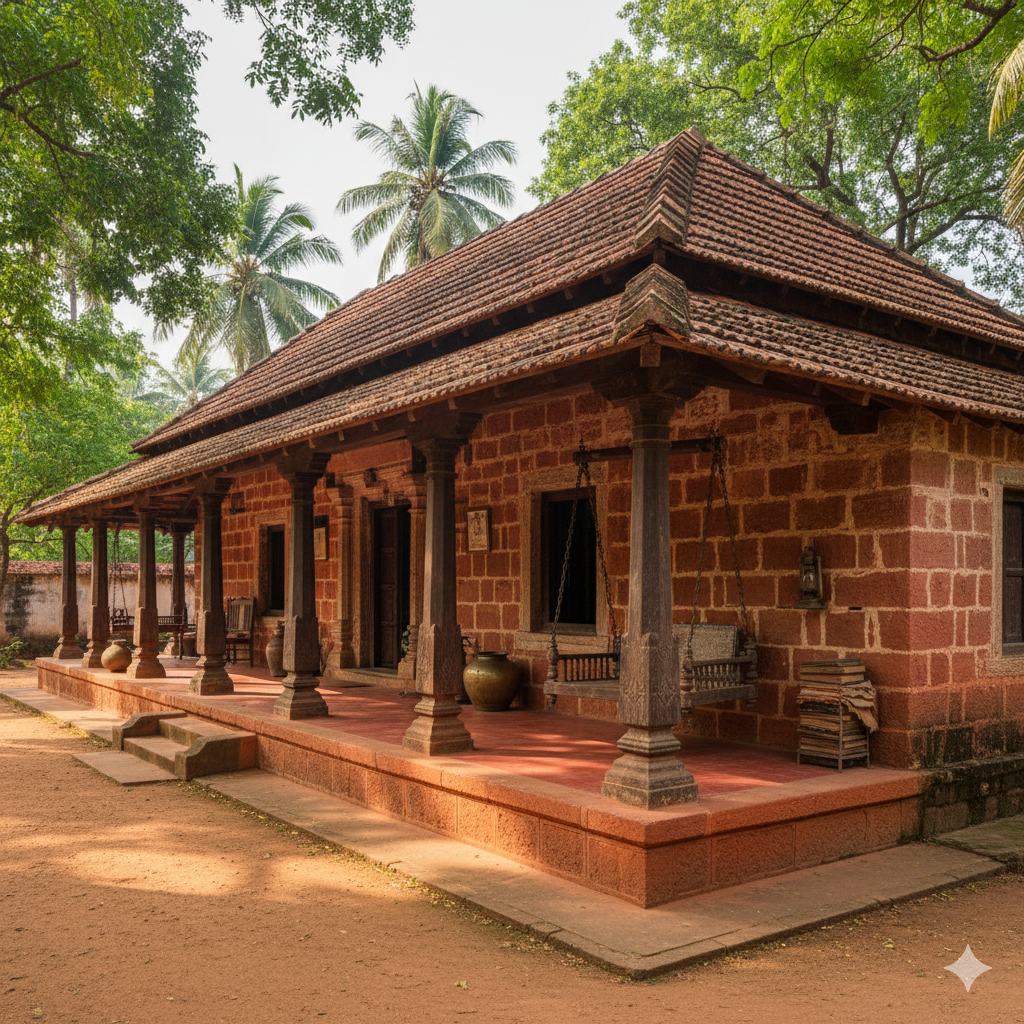
Lokmanya Bal Gangadhar Tilak was born on 23 July 1856 in Ratnagiri, Maharashtra, a serene coastal town known for its rich cultural heritage. His birthplace has now become an important historical site preserved with care, reflecting the early life and environment that shaped his nationalist spirit. The heritage house showcases period artefacts, photographs, and documents related to his childhood and family life. Visitors can explore the simple traditional architecture and learn about events from his youth that later influenced India’s freedom struggle. Ratnagiri stands as a symbol of Tilak’s rooted values and dedication to national awakening, attracting scholars, students, and patriots from across India.
Inside the memorial, visitors can see rare photographs, personal belongings, handwritten notes, wooden study desk, traditional household items, and historical exhibits describing Tilak’s childhood, education, and formative years. The home stands as a symbol of national pride and continues to inspire students, researchers, and freedom history enthusiasts. The surrounding landscape captures the charm of old Ratnagiri with peaceful village lanes, lush greenery, and a timeless sense of heritage.
The birthplace is managed as an educational heritage center, welcoming visitors, academic tours, and school groups to learn about Tilak’s contribution to India’s independence through interactive displays and guided storytelling.
Mandalay Jail Memorial Route
A preserved memorial tracing Tilak’s six-year imprisonment in Mandalay, showcasing his cell, writings, artifacts, and inspiring legacy of courage and intellect.
The Mandalay Jail Memorial in present-day Myanmar marks the site where Lokmanya Bal Gangadhar Tilak was imprisoned from 1908 to 1914 after the sedition case. This historic location stands as a testament to endurance, intellectual brilliance, and the unbreakable spirit of India’s freedom struggle. During his imprisonment, Tilak wrote the monumental treatise “Gita Rahasya”, transforming the jail into a place of philosophical and national awakening.
The memorial route retraces key areas within the prison complex, showcasing preserved structures, reconstructed cells, and historical plaques describing daily routines, writings, and visitors’ records.
Historical Cell Area
The restored cell where Tilak spent six years, featuring replicas of his writing desk, cot, and records documenting prison conditions.
Gita Rahasya Writing Space
A dedicated section displaying manuscripts, translated excerpts, and panels explaining how Tilak wrote this major philosophical work under harsh conditions.
Prison Museum Gallery
Archival photographs, colonial documents, maps, letters, and interactive panels narrating his struggle and resilience.
Memorial Courtyard
Silent reflective space honoring the sacrifices of Indian revolutionaries imprisoned in Mandalay.
Visitor Learning Center
Educational exhibits, timeline displays, audio narratives, and guided tours for students, researchers and travelers.